

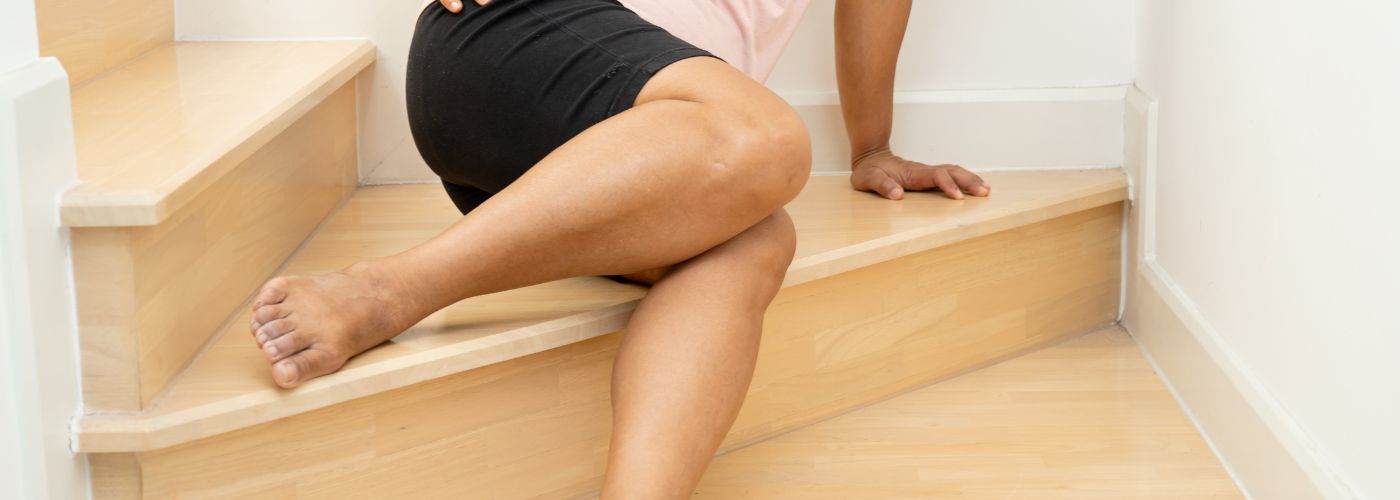
Have you ever thought about how a simple slip could ruin your vacation at an AirBnB? Slip & fall accidents inside AirBnBs can happen more often than you’d think.
In this article, we’ll dive into the factors that contribute to these accidents and what guests can do to protect themselves. You’ll learn about safety measures to look for and what to do if the unexpected happens.
What To Know About Slip & Fall Accidents Inside AirBnBs
Slip and fall accidents inside Airbnbs occur for many simple reasons. Hosts sometimes overlook basic safety duties. Guests trust that each rental is clean, safe, and maintained, but that trust is not always rewarded.
Floors may be loose. Tiles may be cracked. Lighting may be weak or missing. These small issues create risks for guests who expect a safe space.
Many slip and fall accidents happen because the host failed to fix a known problem that created danger for the guest. Hosts must keep the property reasonably safe for anyone staying there.
This duty includes repairs, warnings, and regular checks. When hosts ignore these duties, guests may suffer preventable injuries.
Understanding these rules helps guests recognize what went wrong after an accident. It also helps them determine whether the host acted negligently.
Spotting Red Flags for Slip & Fall Dangers When You Check In
Guests should scan the rental for hazards right after arriving. Look for uneven planks or loose carpet edges. Check for rugs without grips that slide under your feet. Examine hallways for poor lighting or damaged steps.

These issues suggest the host may have skipped important maintenance. If something feels unsafe, document it and contact the host quickly. Documenting hazards early creates helpful evidence if an injury happens later.
Some dangers hide in places you do not expect. Bathrooms may have slippery tiles without mats. Balconies may have wet floors or unstable railings.
Kitchens may have leaks or spills that the host has ignored. Outdoor areas can be risky when walkways are cracked or covered with debris.
Checking these areas protects your safety and helps you avoid preventable accidents. These early inspections also give you peace of mind during your stay.
Proving Negligence After a Fall in a Vacation Rental
Proving negligence requires showing that the host knew or should have known about the hazard. This means the danger existed long enough that a responsible host would have fixed it.
Courts often examine photos, communication records, and maintenance notes to decide what happened.
Your case becomes stronger when you show that the host ignored a clear danger that caused your fall. The goal is to link the unsafe condition directly to your injury.
Your actions also matter. You must show that you acted reasonably when the accident occurred. For example, you used lighting when available or walked carefully through the space. If the hazard was hidden or not obvious, your claim is usually stronger.
If the hazard was clear and avoidable, your claim becomes more complex. Lawyers can help gather missing evidence or explain legal issues. These steps build a complete picture of the accident.
How Long Stays vs. Short Stays Affect Airbnb Slip & Fall Claims
Short stays create fast expectations for hosts because guests have little time to adjust. Guests rely entirely on the host to prepare the space. Hidden dangers become more serious because guests do not know the rental well.

A short stay often strengthens the argument that the host should have ensured complete safety before the guest arrived. Courts may view short-term guests as more vulnerable to sudden hazards.
Long stays create different challenges. Guests on extended visits may slowly discover hazards over time. Hosts may argue that long-term guests had enough time to notice and avoid dangerous conditions. This argument does not cancel the host’s duty, but it may shape how claims are judged.
Long-term guests should report hazards quickly to create a clear record. This documentation shows responsible behavior throughout their stay and protects their rights.
Evidence You Should Gather After Slipping in an Airbnb
Evidence plays a major role in proving what caused your injury. Start by taking photos of the hazard from several angles. Capture the area around it and the lighting conditions. Take close images and wide images for clarity.
Photos taken immediately after your fall provide the strongest proof because they show the exact conditions at that moment. Strong images help support your claim.
You should also collect witness statements if anyone saw the fall. Save all messages exchanged with the host, especially messages that acknowledge or discuss the hazard. Medical records also help connect your injuries to the accident.
If emergency workers visited the rental, their reports carry strong weight. Creating a timeline of events can also help show how the fall unfolded. These details build a strong foundation for your claim.
How Airbnb’s Insurance Coverage Applies to Guest Injuries
Airbnb provides liability coverage for hosts when guests suffer injuries caused by unsafe conditions. This coverage may help with medical bills, lost income, and other damages. However, it only applies when the host is legally responsible for the hazard.
The policy may exclude certain types of accidents or limit certain claims. Understanding these limits helps guests avoid confusion and prepare for the claims process with clear expectations.
Airbnb often investigates accidents before offering support. They may request photos, witness statements, medical notes, and event descriptions. Their investigation may take time, especially when the hazard is unclear or disputed. Guests should stay organized and respond quickly to requests.
Strong evidence can speed up decisions and reduce delays. If Airbnb denies coverage, guests may choose to file a claim directly against the host. Knowing these options helps guests stay confident during the process.


Pingback: Apartment Staircase Accidents: Who Is Responsible?