

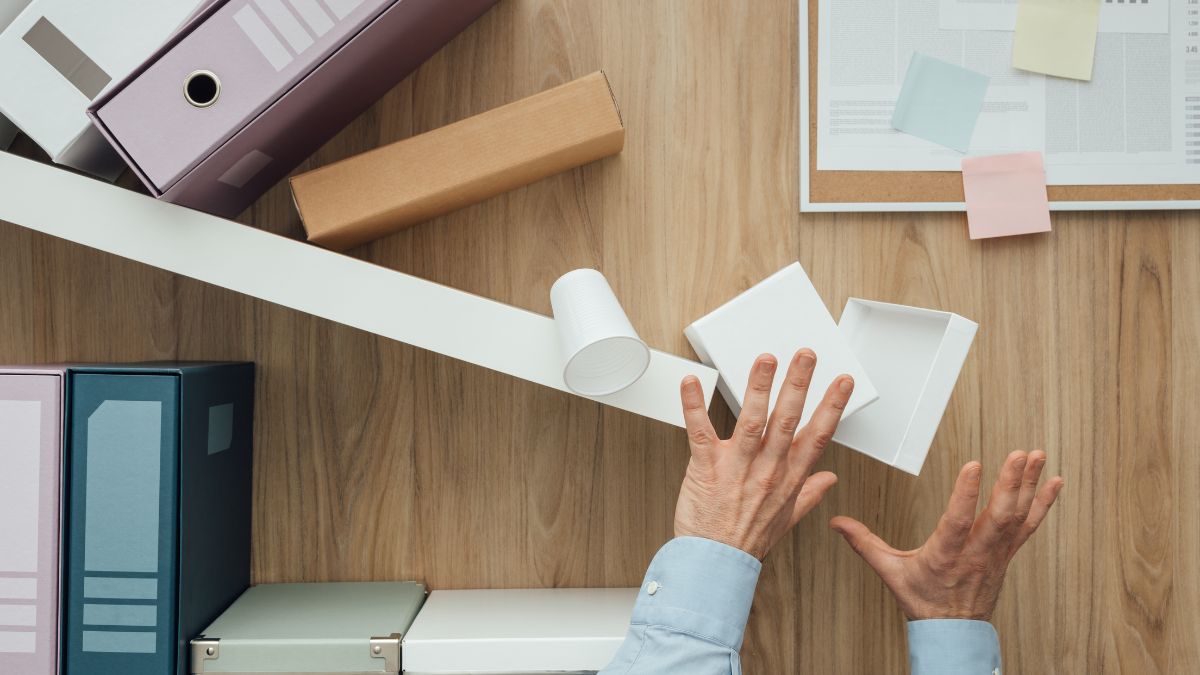
A falling box, display, sign, or other object inside a store can cause serious injuries with little warning. Determining responsibility often depends on how the object was stored, who controlled the area, and whether reasonable safety steps were taken.
This article goes over the factors that may affect liability and the evidence that can help document a falling object accident.
Role of Store Employees in Preventing Falling Objects
Store employees can play an important role in keeping shelves, displays, storage areas, and merchandise safe for customers. Workers may be responsible for stocking products correctly, checking displays, keeping heavy merchandise secure, and reporting hazards when they notice them.
If boxes are stacked too high, products extend over the edge of a shelf, or a display becomes unstable, employees may need to correct the problem before someone gets hurt.
When deciding who may be liable for injuries caused by falling objects, one important question is whether the store knew or reasonably should have known about the unsafe condition.
For example, an employee may have recently stocked a shelf incorrectly, or workers may have walked past an unstable display several times without addressing it. The specific facts can help show whether the business had a reasonable opportunity to identify and fix the danger.
Regular inspections, proper stocking procedures, and quick responses to visible hazards can reduce the chance that merchandise will fall onto a customer.
Employee training may also matter because workers should understand how to safely place heavy, oversized, or unusually shaped products.
After an accident, information about stocking practices, inspections, and employee actions may help explain how the dangerous condition developed.
How Surveillance Footage Can Help Document an Accident
Many stores use security cameras to monitor entrances, aisles, registers, storage areas, and other parts of the property. When an object falls and injures a customer, video may provide useful information about what happened before, during, and immediately after the incident.
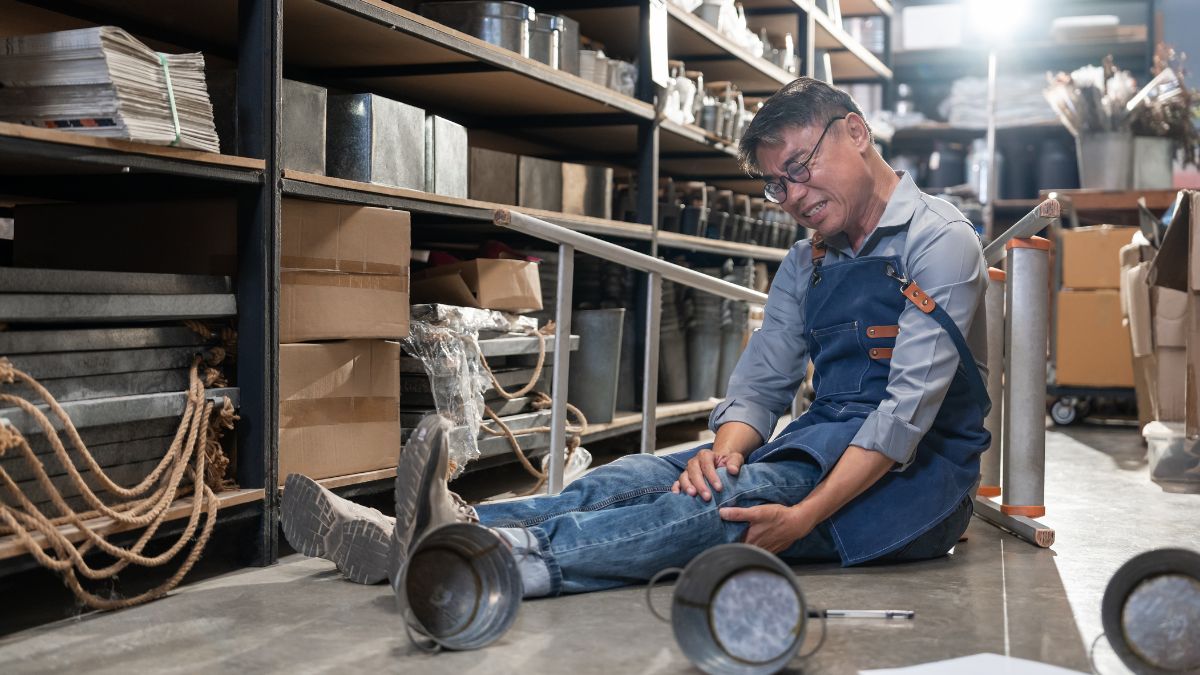
Footage could show where the object was positioned, whether employees recently handled it, how long an unsafe condition existed, and whether anyone disturbed the display.
Surveillance footage may also help when the parties disagree about who was liable for injuries caused by falling objects. Instead of relying entirely on memories, video can provide a visual record of certain events.
It might show that a customer was simply walking through an aisle when merchandise fell, or it could show another person moving products shortly before the accident.
Stores do not necessarily keep surveillance recordings permanently, so preserving potential evidence can become an important issue after an accident.
Video evidence can be especially useful because it may capture details that an injured person or witness did not notice during a sudden and confusing event.
Other evidence, including photographs, witness statements, incident reports, and receipts, may provide additional context when combined with available footage.
When a Product Vendor or Third Party Could Share Responsibility
The store itself is not always the only business involved with merchandise or displays. Vendors, delivery companies, contractors, and other third parties may enter stores to deliver products, stock certain shelves, assemble displays, install signs, or perform maintenance.
If one of these parties creates an unsafe condition, responsibility for an accident may involve more than the store.
For example, a vendor could improperly assemble a promotional display that later collapses, or a delivery worker could stack merchandise in an unstable way.
Determining who may be liable for injuries caused by falling objects could require examining who placed the item, who controlled the area, and whether the store had notice of the dangerous condition.
Contracts and work records may sometimes help clarify which company was responsible for a particular task.
Identifying every person or company that handled the object or controlled the surrounding area can provide a clearer picture of how the accident happened.
Responsibility can depend heavily on the individual circumstances. Evidence showing when products were delivered, who assembled a display, and whether store employees inspected the area afterward may become relevant when evaluating the incident.
Customer Actions and Shared Fault in Falling Object Accidents
Not every falling object accident is caused entirely by a store or its employees. A customer’s actions may sometimes contribute to an incident.
Someone might pull an item from underneath a stack, climb on shelving, move a safety barrier, or handle merchandise in a way that causes other products to fall. Another customer could also create a hazard shortly before an accident occurs.
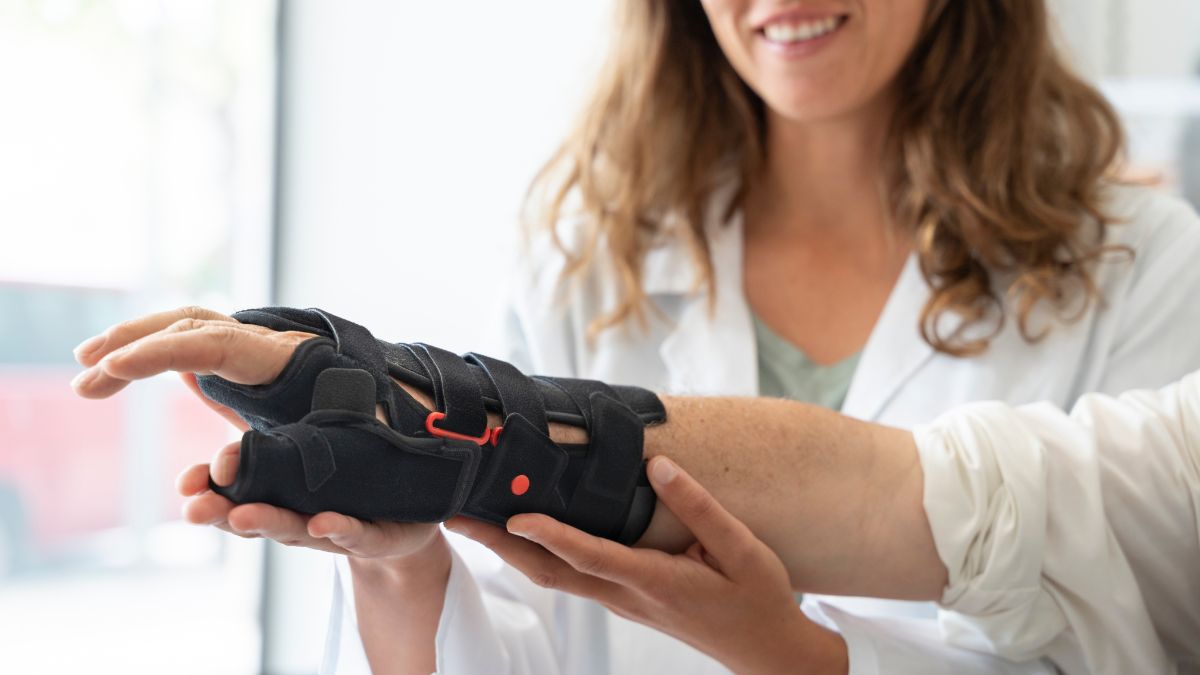
Questions about who was liable for injuries caused by falling objects may therefore include an examination of what everyone involved was doing immediately before the incident.
A store may argue that the injured customer contributed to the accident, while the customer may argue that the merchandise was already stacked or displayed in an unsafe manner.
Witnesses and video footage can be particularly useful when these accounts differ.
The effect of shared fault depends on the law that applies to the claim and the specific evidence available.
An accident involving some action by a customer does not automatically answer whether the store also failed to maintain reasonably safe conditions.
The complete circumstances should be reviewed rather than assuming that one action determines responsibility for the entire accident.
How Medical Records Can Document the Impact of an Accident
Falling merchandise can strike the head, neck, shoulders, back, arms, or other parts of the body. The type of injury can depend on the object’s weight, the height from which it fell, and how it made contact with the person.
Seeking appropriate medical attention can address immediate health concerns while also creating records describing reported symptoms, examinations, diagnoses, treatment, and follow-up care.
Medical documentation may become important when evaluating damages after determining who could be liable for injuries caused by falling objects.
Records can help establish when symptoms were reported and what treatment was recommended. They may also document follow-up appointments, diagnostic testing, physical limitations, or referrals to other medical professionals when those steps are medically necessary.
Consistent medical documentation can help create a clearer record of how an injury affected a person’s health and daily activities after an accident. Medical bills may also help document financial losses connected with treatment.
Depending on the circumstances, other records involving missed work or changes in the person’s ability to complete normal activities may also be relevant to evaluating the impact of the incident.
When To Speak With An Injury Attorney About Your Case
A falling object claim can become complicated when there are disagreements about how merchandise was stored, how long a dangerous condition existed, or who controlled the display.
Questions may also arise when a vendor, contractor, delivery company, or another customer was involved. Speaking with an injury attorney may help a person understand what evidence could matter and which parties may need to be investigated.
An attorney evaluating who may be liable for injuries caused by falling objects may review photographs, incident reports, witness information, medical documentation, surveillance footage, and other available records.
Depending on the circumstances, the investigation could also involve store policies, inspection procedures, delivery information, or records showing who stocked or assembled the merchandise involved in the accident.
There may also be deadlines that affect how long someone has to pursue a personal injury claim, and those deadlines vary depending on the circumstances and jurisdiction.
Getting legal guidance early can help preserve important evidence and provide a clearer understanding of the options that may be available.
Because every accident involves different facts, an attorney can review the specific situation and explain how applicable law may affect the case.
Who Is Liable for Injuries Caused by Falling Objects in Stores?
A falling box, display, sign, or other object inside a store can cause serious injuries
Oct
Injured By A Defective Playground? Know Your Legal Rights
Playgrounds are meant to be places where children can have fun, stay active, and build
Sep
Apartment Staircase Accidents: When Is The Property Owner Responsible?
Apartment stairways should provide a safe path for residents, guests, delivery drivers, and anyone visiting
Sep
Am I Liable For Company Vehicle Damages After An Accident?
Accidents involving company vehicles can quickly raise questions about who is responsible for repair costs,
Aug