


Parking garages may seem safer than busy roads, but accidents happen there every day. Tight spaces, limited visibility, distracted drivers, and heavy pedestrian traffic can all increase the risk of collisions.
This article explains who may be responsible for parking garage accidents and goes over the issues that can affect fault and liability.
How To Deal With Parking Garage Accidents
After parking garage accidents occur, it is important to stay calm and take the proper steps to protect yourself. If anyone is injured, seek medical attention immediately and contact emergency services if necessary.
Even when injuries appear minor, obtaining medical care can help document the incident and ensure hidden injuries are identified. Drivers should also move to a safe location when possible and avoid creating additional hazards for others using the garage.
Gathering information at the scene is another important step. This may include taking photographs, obtaining contact information from witnesses, exchanging insurance details, and documenting vehicle damage.
Thorough documentation collected immediately after a collision can become one of the most valuable pieces of evidence during an insurance claim or legal dispute. Parking garages often contain surveillance cameras, so identifying potential video footage may also be beneficial.
Reporting the accident to the property owner or management company can help create an official record. Some parking facilities maintain incident reports that may later assist with investigations.
Depending on the circumstances, fault may involve another driver, a pedestrian, the garage owner, or multiple parties. Understanding what happened and preserving evidence can help establish responsibility more effectively.
Who’s At Fault When Two Drivers Back Out at the Same Time
One of the most common parking garage accidents occurs when two drivers back out of neighboring parking spaces simultaneously. In these situations, determining fault can be challenging because both drivers have a responsibility to ensure the area behind them is clear before reversing.
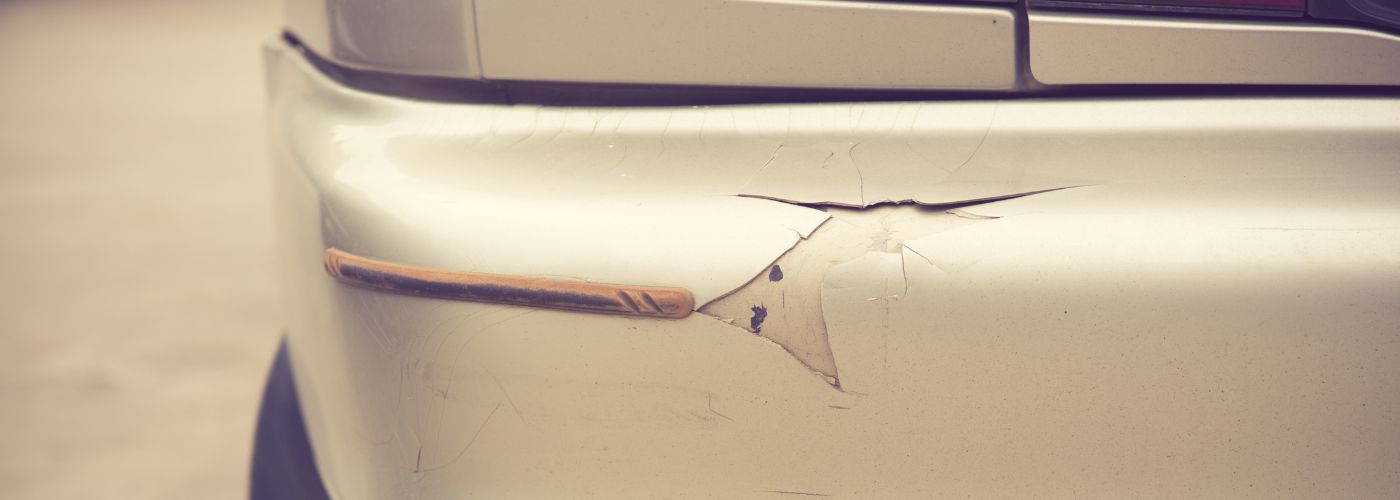
Since visibility is often limited, both motorists must exercise caution and proceed slowly when leaving a parking space.
Insurance companies frequently examine factors such as vehicle positions, witness statements, and surveillance footage to determine how the collision occurred.
If both drivers were reversing at the same time and neither yielded, fault may be shared between them. Comparative negligence rules in some states may reduce compensation based on each party’s percentage of responsibility.
Even in low-speed collisions, each driver’s actions leading up to the impact can significantly influence how liability is assigned.
A driver who was backing out more aggressively, distracted, or failing to observe surrounding traffic may receive a greater share of fault. Every case depends on its specific facts and available evidence.
Who’s At Fault For Pedestrian Accidents in Parking Garages
Pedestrian-related parking garage accidents can lead to serious injuries because people walking through garages are often difficult for drivers to see.
Drivers generally have a duty to remain alert and watch for pedestrians crossing lanes, walking near parked vehicles, or entering and exiting elevators and stairwells. When a motorist fails to pay attention and strikes a pedestrian, the driver may be held responsible.
However, pedestrians also have responsibilities. Walking in restricted areas, suddenly stepping into traffic without warning, or ignoring designated pathways may contribute to an accident.
In some cases, fault may be divided between the pedestrian and the driver based on each person’s conduct leading up to the collision.
Property conditions can also play a role. Poor lighting, obstructed sightlines, or inadequate safety markings may increase the risk of accidents involving pedestrians.
Determining liability often requires a detailed review of the actions of everyone involved, as well as the condition of the facility itself. This broader analysis helps identify whether multiple parties contributed to the incident.
Who’s At Fault for Multi-Vehicle Accidents
Multi-vehicle parking garage accidents can be especially complicated because several drivers may be involved in a chain reaction.
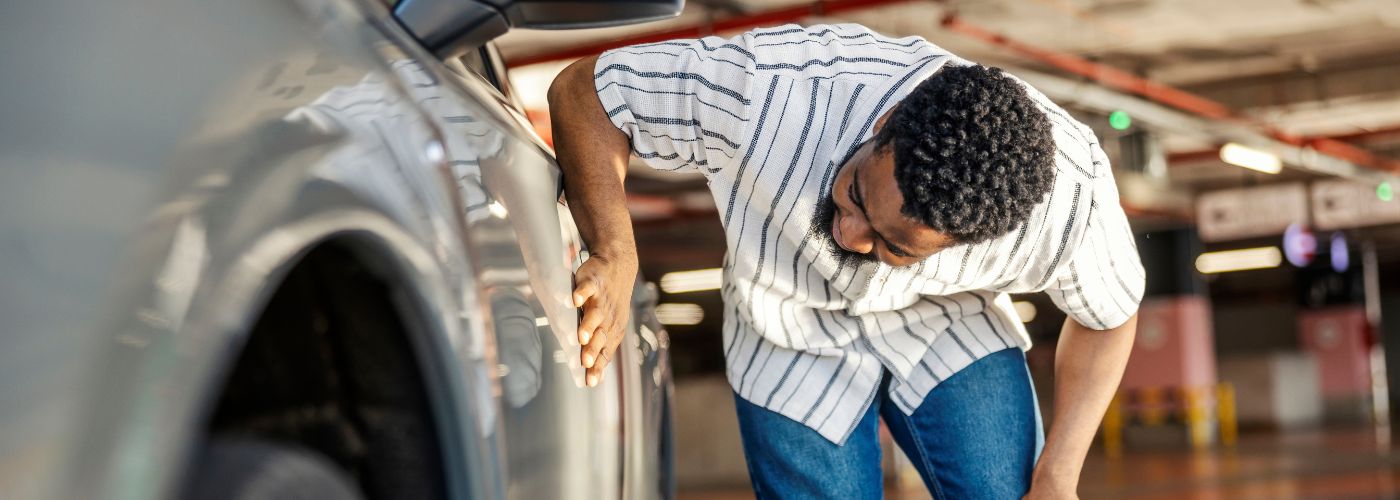
These incidents often occur in narrow driving lanes where vehicles are maneuvering through congested areas. One driver may initiate the crash, but subsequent collisions can involve additional motorists who had little time to react.
Investigators typically review the sequence of events to determine which actions triggered the accident. Surveillance footage, witness accounts, and physical evidence can help reconstruct how the collision unfolded.
In some situations, one driver bears most of the responsibility, while in others multiple drivers share liability.
The order in which impacts occur can become a critical factor when assigning fault among several vehicles.
For example, a distracted driver who strikes one vehicle and causes a chain reaction may be primarily liable even if other vehicles become involved afterward.
Who’s Liable When Poor Maintenance Contributes to an Accident
Not all parking garage accidents result solely from driver behavior. Sometimes, dangerous conditions within the facility contribute to a collision.
Issues such as broken lighting, malfunctioning gates, damaged pavement, missing safety barriers, or inadequate signage can create hazards for drivers and pedestrians alike.
Property owners and management companies generally have a duty to maintain reasonably safe conditions. When they fail to address known hazards or neglect routine maintenance, they may be held liable for injuries and damages that result.
Evidence showing prior complaints, maintenance records, or inspection reports may help establish whether the owner knew about the dangerous condition.
A property owner’s failure to correct a known safety problem can create liability even when a vehicle is directly involved in the accident.
In these situations, fault may be shared between a negligent driver and the party responsible for maintaining the garage. Careful investigation is often necessary to determine the extent of each party’s responsibility.
Fault Determination When a Driver Ignores Traffic Signs
Traffic signs and directional markings play an important role in preventing parking garage accidents. Many garages contain stop signs, yield signs, one-way lane indicators, speed limit notices, and pedestrian crossing markings. Drivers are expected to follow these instructions just as they would on public roads.
When a driver ignores a posted sign and causes a collision, that violation can serve as strong evidence of negligence.
Failing to stop, driving the wrong way down a designated lane, or exceeding safe speeds within the garage may significantly increase the likelihood of an accident.
Investigators often review signage placement and determine whether the driver had a reasonable opportunity to observe and obey the instructions.
There are situations where signage may be faded, obstructed, or improperly maintained. In those cases, questions may arise regarding whether the property owner contributed to the accident by failing to provide adequate warnings.
Clear and visible traffic controls are essential for maintaining safety in confined parking environments where drivers have limited reaction time. Evaluating both driver conduct and facility conditions helps ensure fault is assigned fairly.
Am I Liable For Company Vehicle Damages After An Accident?
Accidents involving company vehicles can quickly raise questions about who is responsible for repair costs,
Aug
When Can Punitive Damages Be Awarded?
Punitive damages are not available in every personal injury case, but they may be awarded
Aug
Who’s At Fault For Parking Garage Accidents?
Parking garages may seem safer than busy roads, but accidents happen there every day. Tight
Jul
How To Seek Justice For Wrongful Death
Losing a loved one because of another person’s negligence can be devastating. Families are often
Jul