

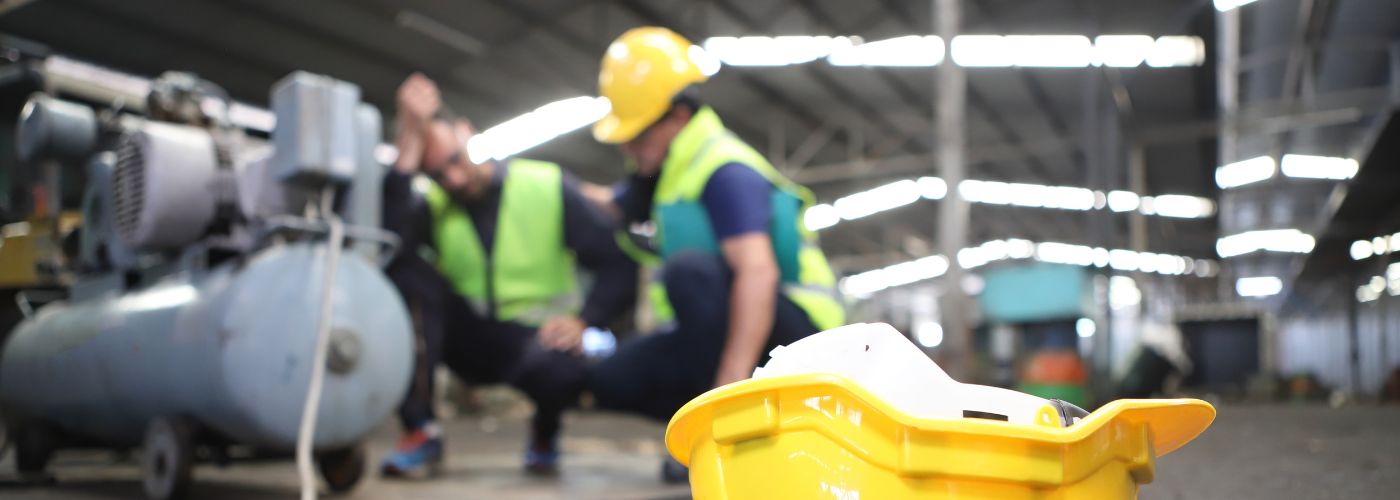
Construction sites are busy environments where workers face many risks every day. When serious injuries happen, workers and their families often feel overwhelmed and unsure about their rights.
This article explains the most important victim rights related to construction workplace accidents and what injured workers should know about getting help and compensation.
How To Handle Construction Workplace Accidents
When construction workplace accidents occur, the first priority should always be safety and medical care. Workers should report the incident immediately to a supervisor or site manager so the situation can be documented and addressed properly.
Prompt reporting also helps ensure that injured workers receive the care they need and that important details about the incident are preserved. Failing to report the accident quickly may create complications when trying to access benefits later.
It is extremely important for injured workers to document the incident, seek medical attention right away, and follow the proper reporting procedures so their rights remain protected.
Taking photographs of the accident scene, gathering witness information, and writing down what happened can be very helpful. These steps create a record that may support a workers’ compensation claim or other legal actions that may arise after the incident.
Workers should also keep copies of medical records, treatment instructions, and communication with their employer. Staying organized helps ensure that nothing important is overlooked during the recovery and claims process.
When injuries are severe, consulting with a legal professional may help injured workers better understand the full range of options available to them.
Access to Medical Treatment and Ongoing Care
After a construction workplace accident, injured workers have the right to receive medical care for their injuries. This includes emergency treatment immediately after the incident as well as follow-up care that may be necessary during the recovery process.

Medical treatment may involve hospital visits, physical therapy, diagnostic testing, medication, and other forms of care that help the worker heal and regain strength.
Workers should never delay medical treatment after a workplace injury because early care not only protects their health but also creates an official record of the injury.
Medical records are often a critical part of workers’ compensation claims because they show how the injury happened and how serious it is. Without proper documentation from healthcare providers, it can become more difficult to prove the connection between the accident and the injury.
In some cases, injuries may require long-term care or rehabilitation. Workers may need months of therapy or even surgery to recover. Ongoing treatment ensures that workers receive the support necessary to return to work safely and regain their quality of life.
Understanding this right helps injured workers focus on healing without worrying about whether they will receive the care they need.
Eligibility for Wage Replacement Benefits
One of the major concerns after construction workplace accidents is the loss of income. Many injured workers cannot return to their jobs immediately, which can create financial stress for them and their families.
Wage replacement benefits are designed to help offset the loss of income while the worker is recovering from injuries. These benefits exist to help injured workers maintain financial stability while they focus on recovery rather than worrying about how they will pay their bills.
Workers’ compensation programs in many states provide partial wage replacement based on a percentage of the worker’s average earnings before the injury occurred. Although the amount may vary, these benefits can make a significant difference during a difficult time.
Some workers may qualify for temporary disability benefits if they are expected to recover and eventually return to work. Others with more severe injuries may receive long-term or permanent disability benefits.
Understanding the available options allows injured workers to plan for the future and avoid unnecessary financial hardship.
Ability to File a Workers’ Compensation Claim
Workers injured in construction workplace accidents typically have the right to file a workers’ compensation claim. This system exists to provide benefits to employees who are injured while performing their job duties.

The claim process allows workers to request coverage for medical expenses, wage replacement, and other costs related to their injury. Filing a workers’ compensation claim is one of the most important steps injured workers can take to secure financial and medical support after a workplace injury.
Workers should follow the procedures required by their employer and their state’s workers’ compensation program. This often includes submitting written notice of the injury, completing claim forms, and providing medical documentation.
It is also important for workers to pay attention to deadlines when filing a claim. Missing a filing deadline could lead to delays or even the denial of benefits.
If workers encounter difficulties during the claims process, they may consider seeking legal guidance to better understand their rights and ensure the process moves forward correctly.
Protection From Employer Retaliation
Employees who report injuries from construction workplace accidents are protected by laws that prevent employer retaliation. Retaliation may include actions such as termination, demotion, harassment, or reduction of hours because the worker reported an injury or filed a workers’ compensation claim.
These protections are designed to ensure that workers feel safe reporting workplace hazards and injuries.
No worker should feel afraid to report an injury or seek benefits because the law provides protections against unfair treatment from employers. When workers remain silent about injuries due to fear of retaliation, unsafe working conditions may continue and lead to additional accidents. Reporting injuries helps improve safety for everyone on the job site.
If a worker believes they have been punished or treated unfairly after reporting an injury, they may have legal options to address the situation.
Documenting conversations, saving emails, and keeping records of workplace actions can help support claims of retaliation. Understanding these protections allows workers to stand up for their rights without fear.
Option to Pursue Third-Party Liability
Sometimes, construction workplace accidents are caused by parties other than the employer. For example, defective equipment, negligent subcontractors, or unsafe property conditions may contribute to an accident.
In these cases, injured workers may have the option to pursue a third-party liability claim in addition to receiving workers’ compensation benefits. Third-party claims can provide additional compensation for damages that may not be fully covered by workers’ compensation benefits.
These claims may include compensation for pain and suffering, full lost wages, and other losses that extend beyond standard workers’ compensation coverage. Because construction projects often involve multiple companies and contractors, identifying responsible parties can sometimes be complex.
Investigating third-party liability may require reviewing contracts, examining equipment defects, and gathering evidence from the accident scene.
Legal professionals may assist injured workers in determining whether another company or manufacturer may share responsibility for the accident. Understanding this option helps ensure that workers pursue every available path toward fair compensation and recovery.
Am I Liable For Company Vehicle Damages After An Accident?
Accidents involving company vehicles can quickly raise questions about who is responsible for repair costs,
Aug
When Can Punitive Damages Be Awarded?
Punitive damages are not available in every personal injury case, but they may be awarded
Aug
Who’s At Fault For Parking Garage Accidents?
Parking garages may seem safer than busy roads, but accidents happen there every day. Tight
Jul
How To Seek Justice For Wrongful Death
Losing a loved one because of another person’s negligence can be devastating. Families are often
Jul