

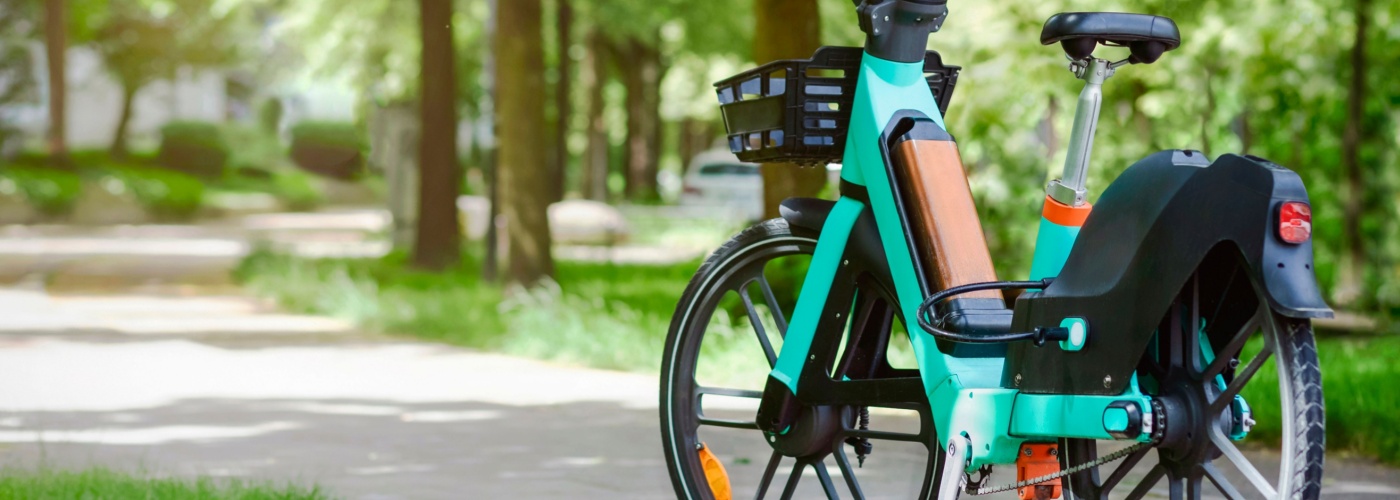
Have you ever felt nervous walking near someone riding an electric scooter or e-bike? You’re not alone. Pedestrian accidents involving these vehicles are becoming alarmingly common.
It’s important to know who is responsible in these situations, as safety is a shared concern. This piece will clarify the causes of such accidents and offer tips to protect yourself in this rapidly changing transportation landscape.
Understanding Liability in E-Scooter and E-Bike Pedestrian Crashes
Liability means legal responsibility for causing an injury. In pedestrian crashes, liability depends on behavior and surrounding conditions. Courts examine what happened before the collision. Small details often make a large difference.
Pedestrians have strong legal protections, but responsibility is never automatic. Riders must operate devices safely near foot traffic. Unsafe behavior can create clear liability. Each case depends on specific facts.
Investigators look at speed, control, and awareness. They also review lighting and weather conditions. Crowded areas require extra caution from riders. Failure to slow down often increases the fault.
Liability may involve more than one party. A rider may be careless while a company fails to warn. Poor street design can also contribute. Shared liability affects compensation amounts.
Cities may share responsibility in some cases. Missing signs or unsafe pathways matter. Poor maintenance can increase injury risk. These factors are carefully reviewed.
Sidewalk vs. Street: Where Are E-Scooters Allowed to Ride?
Nevada law allows local governments to regulate where e-scooters and certain e-bikes may operate. State law does not impose a statewide sidewalk ban. Whether sidewalk riding is permitted depends on local ordinances and posted rules in the specific area.

If a rider is operating in an area where sidewalk use is restricted by local law or posted regulation, that violation may be considered when fault is evaluated.
Police reports often document the rider’s location at the time of a crash. Municipal codes and posted signage are reviewed when determining responsibility.
Bike lanes and roadways are commonly permitted areas for scooters and e-bikes when allowed by local rules. Riders using streets must obey traffic signals and applicable speed limits. Failure to follow traffic laws may be considered unsafe operation.
Under Nevada law, certain e-bikes are treated similarly to bicycles. Classification depends on motor assistance and maximum assisted speed. Higher-powered devices may be subject to additional restrictions. Classification affects how traffic laws apply.
Pedestrians generally have the right of way on sidewalks. Riders are expected to yield and operate cautiously near foot traffic. Pedestrians are not required to anticipate sudden scooter movement. These principles are considered when assessing fault.
Proving Rider Negligence in Pedestrian Claims
Negligence means failing to act with reasonable care. Pedestrians must show unsafe rider behavior. Speeding is a common cause of injury. Sudden swerving also suggests negligence.
Distracted riding is powerful evidence supporting pedestrian injury claims. Phone use reduces reaction time. Headphones limit environmental awareness. These actions increase crash risk.
Ignoring traffic signals can establish fault. Running lights shows disregard for safety. Riding against traffic increases danger. These behaviors are often documented.
Witness testimony plays an important role. Independent witnesses increase claim strength. Video footage often clarifies disputed events. Surveillance cameras are valuable evidence.
App data may record speed and braking. This information supports negligence claims. Medical records connect injuries to the collision. Documentation strengthens legal arguments.
Speaking With An Accident Lawyer About Your Case
An accident lawyer explains rights and legal options. They review evidence and applicable laws. Many pedestrians underestimate case complexity. Early guidance prevents costly errors.

Legal representation protects injured pedestrians from unfair insurance tactics. Insurers often seek fast settlements. Early offers may undervalue injuries. Lawyers negotiate appropriate compensation.
Attorneys identify all responsible parties. This may include riders or rental companies. Cities may also share liability. Identifying parties increases recovery potential.
Lawyers manage paperwork and deadlines. Legal procedures are strict and technical. Mistakes can harm claims. Professional guidance reduces risk.
Most injury lawyers work on contingency fees. Clients pay only after recovery. Consultations are usually free. Legal help is accessible.
How Insurance Coverage Works in E-Bike and E-Scooter Pedestrian Cases
Insurance coverage varies widely in these cases. Private riders may rely on personal liability policies. Homeowner insurance may apply. Coverage limits are often low.
Rental scooter companies usually carry commercial liability insurance. These policies may cover pedestrian injuries. Companies often deny responsibility initially. Claims require persistence.
Multiple insurance policies may apply. A rider policy and company policy may overlap. Determining priority can be complex. Lawyers handle these disputes.
Insurance adjusters investigate quickly after crashes. They may request recorded statements. Incorrect statements can harm claims. Legal advice is important.
Insurance companies focus on limiting payouts. They analyze fault percentages carefully. Strong evidence improves outcomes. Preparation matters greatly.
Time Limits and Steps for Filing a Claim
Every state sets deadlines for injury claims. These deadlines are statutes of limitations. Missing deadlines usually ends claims. Time limits vary by state.
Claims involving government entities often have shorter deadlines. City-owned devices trigger special notice rules. These deadlines are strict. Early action is critical.
Medical treatment should occur immediately. Medical records document injury severity. Delayed treatment may weaken claims. Prompt care protects health.
Reporting the crash creates official records. Police reports support claims. Photos preserve scene conditions. Witness contact information should be saved.
Keeping organized records strengthens cases. Save receipts and communications. Track pain and daily limitations. Documentation supports compensation requests.
Filing a claim begins negotiation. Many cases settle outside court. Some require lawsuits. Preparation improves success.
Pedestrian accidents involving scooters and e-bikes are increasing nationwide. Understanding fault helps injured pedestrians protect themselves. Knowledge leads to better decisions. Legal guidance often changes outcomes.
Who Is Liable for Injuries Caused by Falling Objects in Stores?
A falling box, display, sign, or other object inside a store can cause serious injuries
Oct
Injured By A Defective Playground? Know Your Legal Rights
Playgrounds are meant to be places where children can have fun, stay active, and build
Sep
Apartment Staircase Accidents: When Is The Property Owner Responsible?
Apartment stairways should provide a safe path for residents, guests, delivery drivers, and anyone visiting
Sep
Am I Liable For Company Vehicle Damages After An Accident?
Accidents involving company vehicles can quickly raise questions about who is responsible for repair costs,
Aug