


Everyone hates potholes, but did you know they can lead to serious accidents? When your car hits a pothole and something goes wrong, it can be hard to figure out who is to blame.
Knowing who’s responsible for pothole accidents is crucial for anyone who drives. In this article, we’ll break down the responsibilities of road maintenance, local authorities, and drivers so you can better protect yourself.
Who’s At Fault For Pothole Accidents?
Pothole accidents can be confusing because responsibility changes with each location. A pothole on a city street involves public rules, while a pothole on private land follows different standards. Fault depends on who controls the road, who maintains it, and whether they acted responsibly.
Many people assume drivers are always at fault, but that is not correct. Fault depends on knowledge, maintenance duties, and reasonable care from whoever controls the road.
To understand fault, you must look at how long the pothole existed and whether someone ignored it. A fresh pothole may not create legal fault, but a long-standing one often does.
This is because the responsible party should have noticed it during routine checks. Drivers also have duties, but their duties differ from those of road owners. When both sides fail, fault may be shared, but one party may still hold most blame.
When Is the City at Fault for Pothole Accidents?
A city must keep its public roads reasonably safe. This duty includes regular inspections and quick repairs. If a city learns about a pothole but delays action, it may be responsible for any resulting accidents. Reports from residents count as actual notice.
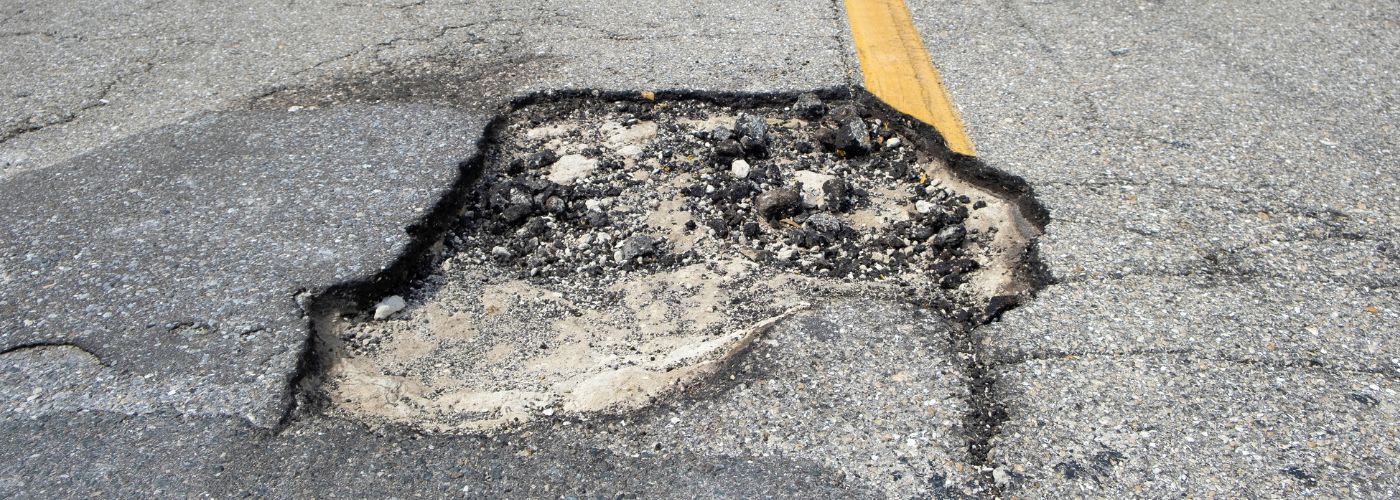
If officials fail to respond within a reasonable time, they may be liable. A city often becomes responsible when it ignores known hazards that endanger the public.
Cities also face constructive notice, which applies when they should have known about the pothole. Regular road checks should reveal unsafe conditions. If the pothole was large or old, officials may be blamed for missing it.
Claimants often show photos or past complaints to prove that the city failed its duty. These records reveal neglect and strengthen a claim for damages. Cities must act quickly, or they risk serious legal consequences.
Can You File a Claim Against a Private Property Owner?
Private property owners also have legal duties to maintain safe surfaces. This includes parking lots, driveways, walkways, and private roads. A large pothole in these areas can harm visitors and damage vehicles.
If the owner knew about the hazard but ignored it, they may be responsible. Neglect becomes clear when owners fail to repair visible dangers that threaten daily users.
Claims against private owners often involve stores, apartment complexes, or office buildings. These locations receive heavy traffic, so owners must inspect their grounds often. If they skip inspections or delay repairs, they increase the risk of accidents.
Visitors who suffer injuries may file claims for medical bills, lost wages, and repair costs. Insurance may cover these claims, but owners may still deny fault. Strong evidence helps show they failed to meet basic safety standards.
How Insurance Companies Treat Pothole Damage Claims
Insurance companies usually treat pothole claims with caution. Many insurers search for ways to reduce their payments. They may say the driver could have avoided the pothole. They may also argue that the driver was distracted or moving too fast.

These arguments allow them to lower compensation. Drivers must present clear evidence because insurers often challenge pothole damage claims aggressively.
Coverage depends on the policy type. Comprehensive coverage often pays for pothole damage, while collision coverage may help in some cases. Drivers must check their policy to know which damages are included.
Insurers usually ask for photos, injury reports, repair bills, and mechanic reports. These documents show the cause and extent of the damage. Without evidence, insurers may refuse payment. Detailed records help protect you from unfair claim denials.
Time Limits for Filing a Pothole Accident Claim
Every state sets strict deadlines for filing claims. These deadlines are called statutes of limitations. Missing these deadlines usually ends your right to recover damages. Claims involving injury often have different limits than claims for car repairs.
These rules vary by location, so you must act quickly after an accident. Many valid claims fail because people wait too long and miss important deadlines.
Claims against cities require even faster action. Many cities require written notice within weeks, not months. These notices must include details about the accident and the pothole. If you fail to submit notice on time, your claim may be rejected automatically.
These rules protect the city but create serious challenges for injured drivers. The best approach is to gather evidence fast and submit notice immediately.
Shared Fault in Pothole Accidents
Shared fault happens when both the driver and another party contribute to the accident. Many states use comparative negligence rules to decide how much each side pays.
Drivers may recover money even if they hold some blame. However, their payment may drop based on their share of fault. Shared fault can reduce compensation, but it rarely removes it entirely.
Insurers often use shared fault arguments to lower payouts. They may say the driver acted carelessly. They may claim the driver ignored warning signs or drove too fast. These arguments shift blame away from the road owner.
Drivers must counter with strong evidence, including photos, witness statements, and road reports. These records show that the pothole caused the accident. Evidence makes it harder for insurers to reduce fair compensation.
Injured By A Defective Playground? Know Your Legal Rights
Playgrounds are meant to be places where children can have fun, stay active, and build
Sep
Apartment Staircase Accidents: When Is The Property Owner Responsible?
Apartment stairways should provide a safe path for residents, guests, delivery drivers, and anyone visiting
Sep
Am I Liable For Company Vehicle Damages After An Accident?
Accidents involving company vehicles can quickly raise questions about who is responsible for repair costs,
Aug
When Can Punitive Damages Be Awarded?
Punitive damages are not available in every personal injury case, but they may be awarded
Aug