


Swimming pools are fun, but accidents can happen when safety is ignored. Every year, people get hurt in backyard pools because of unsafe conditions or poor supervision. If you were injured in someone else’s pool, you may have the right to sue the homeowner.
This type of legal claim helps victims recover costs for medical bills, lost wages, and pain. Understanding your rights and the process can make a huge difference in your case.
Why Sue A Homeowner For A Swimming Pool Injury
Homeowners have a legal duty to keep their property safe for guests. This includes their swimming pool. If they fail to maintain proper safety standards, they can be held responsible for injuries that occur.
Suing a homeowner is not about revenge. It’s about accountability and getting the help you need to recover. You may face high medical bills, missed work, or lasting pain from your injury. A claim helps you cover these losses.
There are many reasons a pool injury can happen. Slippery decks, broken ladders, missing gates, or cloudy water are common hazards. If the homeowner knew about these dangers but did nothing, it can be considered negligence. Negligence means the homeowner did not act as a reasonable person would in keeping guests safe.
Even if you were invited to swim, the homeowner still has a duty to warn you about any known risks. If they fail to do so, and you are hurt, you may have a strong legal case. Children’s injuries are especially serious, and pool owners must use extra caution to prevent accidents involving minors.
Proving Carelessness in Pool Safety Measures
To win your case, you must prove that the homeowner was careless. This means showing that they did not take reasonable steps to prevent your injury. Evidence is key to proving carelessness in a swimming pool injury case.
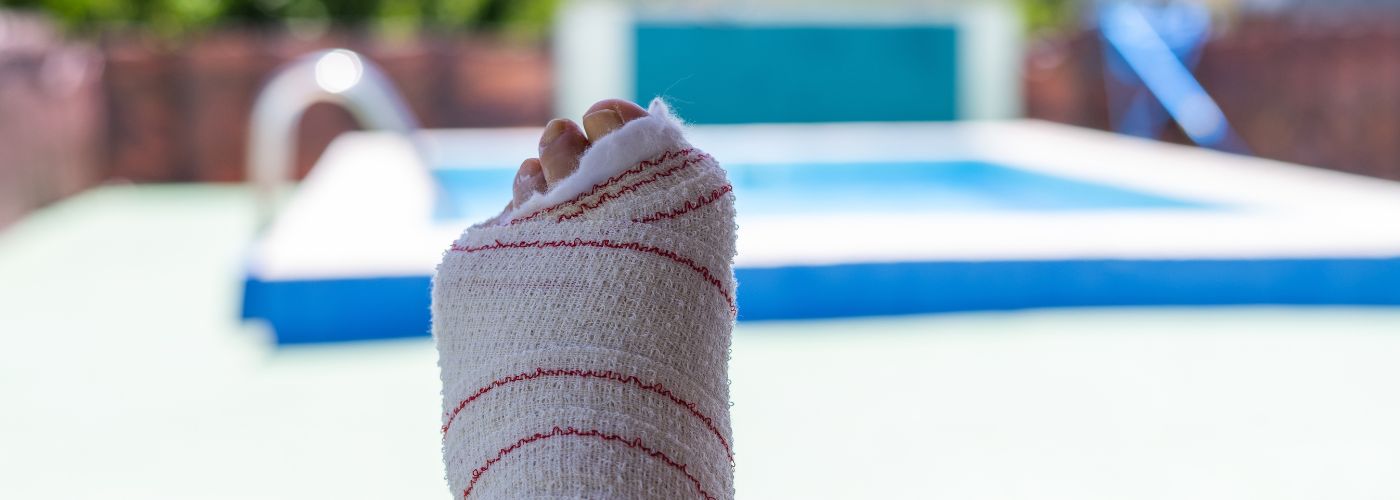
Start by documenting everything right after the accident. Take photos of the pool area, any broken equipment, or unsafe conditions. Gather witness statements if anyone saw what happened. Medical reports also play a big role because they show the severity of your injury.
Common signs of homeowner carelessness include a lack of fencing, no pool covers, broken lights, or ignored safety codes. If alcohol was involved, the owner might also face higher liability. The more proof you have of unsafe conditions, the stronger your claim becomes.
In some cases, even the water park, maintenance workers, or companies that service the pool could share responsibility. Your lawyer will help identify all parties who may be liable.
Factors That Affect Your Swimming Pool Injury Claim
Every swimming pool injury case is different. Several factors can affect how strong your claim is and how much you may receive. These factors include the type of injury, the homeowner’s actions, and your own behavior at the time.
If your injury was caused by a clear hazard—like a missing pool gate—it’s easier to prove fault. But if you ignored visible warnings or acted recklessly, your claim may be reduced. This is called “comparative negligence.” It means you may share some blame for what happened.
Insurance coverage is another major factor. Most homeowners have insurance that covers accidents, but limits vary. Your lawyer can help you review the policy to see what’s included.
The severity of your injuries also matters. Minor scrapes might not qualify for a claim, but serious harm—like broken bones, spinal injuries, or drowning incidents—often do. The more severe your injuries, the higher the potential compensation.
Work With A Swimming Pool Accident Lawyer For Your Claim
Dealing with a swimming pool injury claim can be stressful. A skilled lawyer can guide you through every step. An experienced pool accident attorney will help you gather evidence, handle insurance companies, and protect your rights.
Lawyers understand how to build a strong case and negotiate fair settlements. They can also help you determine who is truly at fault. Sometimes multiple people or companies may share responsibility.

Working with a lawyer increases your chances of getting the compensation you deserve. They can help you recover money for hospital bills, therapy, and lost wages. Most injury lawyers work on a contingency fee, meaning they only get paid if you win.
It’s always best to contact an attorney as soon as possible after your accident. The earlier you start, the easier it is to collect the necessary proof and meet deadlines.
Statute of Limitations for Pool Injury Cases in Nevada
In Nevada, time limits are strict when it comes to personal injury claims. The statute of limitations for most swimming pool injury cases in Nevada is two years from the date of the injury. This means you have two years to file a lawsuit against the homeowner or responsible party.
If you miss this deadline, the court will likely dismiss your case, no matter how strong your evidence is. Acting quickly is crucial to protect your right to seek compensation. The two-year window applies to most personal injury cases, including slip and fall accidents and pool-related injuries.
However, there are some exceptions. If the injured person is a minor, the two-year time limit does not start until the child turns 18. Certain government-related cases may also have shorter filing deadlines, so it’s important to consult an attorney right away.
Your lawyer can confirm which deadlines apply to your specific case and help ensure all paperwork is filed correctly. Delaying legal action can make it harder to gather evidence, locate witnesses, and build a strong claim.
Tips To Avoid Mistakes In Your Claim
Filing a pool injury claim can be complex, but avoiding common mistakes can protect your case. One of the biggest errors victims make is talking to the homeowner’s insurance company without legal help.
Insurance adjusters may try to lower your payout or make you admit fault. Never sign anything or give recorded statements before consulting your lawyer. Another mistake is failing to get medical care immediately.
Even if your injury seems minor, it could worsen over time. Medical reports prove your condition and support your case.
Keep all communication records, receipts, and documents related to the injury. Consistency matters—always tell the truth and stay calm. Being honest and prepared helps you build trust and credibility in your case.
Also, avoid posting details about the accident on social media. Anything you say online could be used against you. Let your lawyer handle the communication and focus on recovery.
Lastly, choose a lawyer with experience in swimming pool drowning or injury cases. They understand the laws, insurance tactics, and safety codes that can make or break your claim. With the right guidance, you can pursue justice and get the support you deserve after a pool accident.
Victim Rights For Construction Workplace Accidents
Construction sites are busy environments where workers face many risks every day. When serious injuries
Apr
How To Deal With Recall Accident Claims & Your Injury
Vehicle recalls happen when manufacturers discover that a car or one of its parts has
Apr
Who’s At Fault For Road Hazard Car Accidents?
Car accidents are not always caused by speeding or distracted driving. Sometimes, the road itself
Mar
How Accident Type Impacts Injury Claims
When someone is hurt in a crash, the details of how the accident happened matter
Mar