


Car accidents are not always caused by speeding or distracted driving. Sometimes, the road itself creates dangerous conditions that lead to serious crashes. This article goes over the issues surrounding road hazards and explains who may be legally responsible when these situations happen.
Causes For Road Hazard Car Accidents
There are many different causes for road hazard car accidents. Unlike crashes that happen because of driver mistakes alone, these accidents often involve outside factors that make the road unsafe.
Debris, potholes, standing water, loose gravel, and poorly marked construction zones can all create sudden dangers.
Drivers may not have enough time to react, especially if the hazard appears around a curve or over a hill. When this happens, determining fault can become complicated.
In many road hazard car accidents, responsibility depends on whether the danger could have been prevented and who had the duty to fix it. Sometimes the driver is partly responsible for not slowing down or paying attention.
In other situations, a government agency or private contractor may be at fault for failing to maintain safe roads.
The key issue is whether someone knew, or should have known, about the hazard and failed to correct it in a reasonable amount of time. Understanding the cause of the hazard is the first step in figuring out liability.
Debris in the Road and Driver Versus Government Responsibility
Debris in the road is one of the most common causes of road hazard car accidents. Items such as fallen tree branches, tire pieces, furniture, or cargo that has fallen off a truck can create sudden obstacles.

Drivers who encounter debris may swerve into another lane or slam on their brakes, leading to collisions. In some cases, the driver who hit the debris may be blamed for not keeping a proper lookout. However, the situation is not always that simple.
If debris was left on the road for a long period of time and authorities failed to remove it, a government agency could share responsibility.
On the other hand, if the debris just fell from a vehicle moments before the crash, the driver who lost the load may be liable.
Proving fault often requires showing how long the debris was present and whether reasonable steps were taken to address it. Each case depends heavily on the specific facts and available evidence.
Pothole Accidents and Municipal Liability Questions
Potholes can form when water seeps into cracks in the pavement and weakens the surface. Over time, traffic makes the damage worse, eventually creating deep holes that can damage vehicles or cause drivers to lose control.
Potholes are a frequent factor in road hazard car accidents, especially during winter and early spring. Hitting a large pothole can blow out a tire, break suspension parts, or cause a driver to swerve unexpectedly.
When a pothole has existed for a long time, and the city knew about it but failed to repair it, municipal liability may come into question. However, governments often have certain protections and strict deadlines for filing claims.
In many areas, the injured driver must prove that officials had notice of the pothole and did not act within a reasonable timeframe.
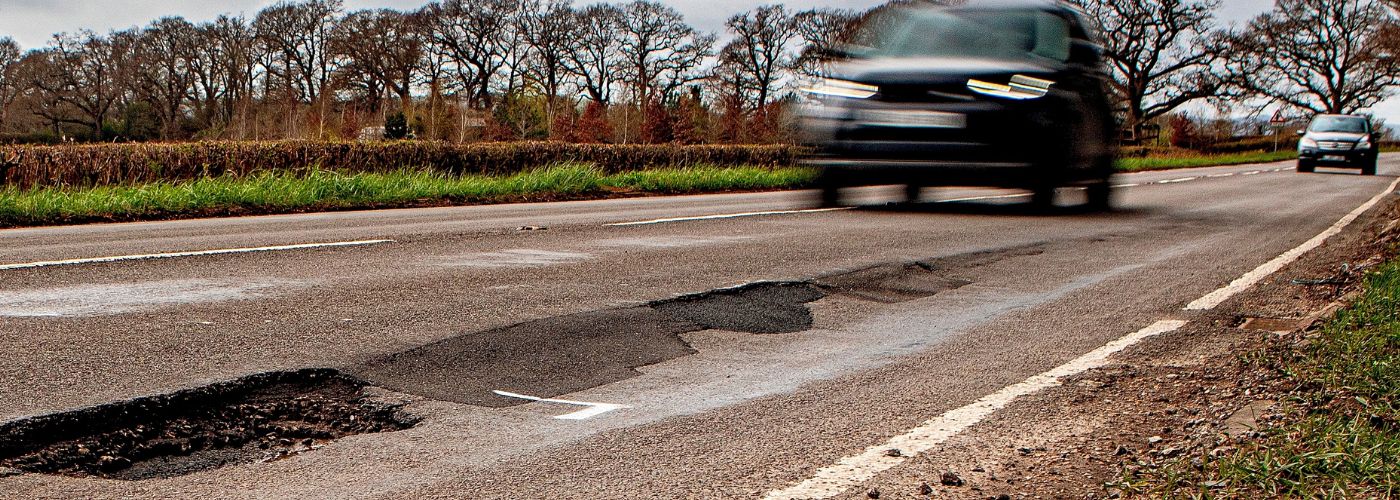
If the pothole formed shortly before the crash and there was no time to fix it, the government may not be held responsible. These cases often involve detailed records of maintenance and repair requests.
Construction Zone Hazards and Contractor Accountability
Construction zones can create confusing and dangerous driving conditions. This type of accident causes lanes to shift suddenly, signs to be unclear, and barriers to be improperly placed.
Construction-related conditions are another frequent cause of road hazard car accidents, particularly when drivers are not given enough warning about changes in traffic patterns.
Uneven pavement, missing guardrails, or poorly marked detours can all increase the risk of a crash.
When construction companies fail to follow safety rules or properly warn drivers, they may be held accountable for resulting accidents.
Contractors have a duty to maintain safe work zones and clearly communicate hazards to the public. In some situations, both the government agency overseeing the project and the private contractor may share responsibility.
Determining fault requires reviewing contracts, safety plans, and inspection reports. Evidence such as photos, witness statements, and accident reconstruction can play a key role in proving negligence.
Flooded Roads and Driver Decision-Making Fault
Heavy rain and poor drainage can lead to flooded roadways. Standing water can hide deep potholes, cause vehicles to hydroplane, or stall engines.
Flooding is another factor that contributes to road hazard car accidents, especially in areas prone to sudden storms. Drivers who enter flooded sections of roadway may lose control of their vehicles in just seconds.
In many flooded road cases, the driver’s decision-making becomes a major factor in determining fault. If warning signs or barricades were present and the driver ignored them, liability may fall primarily on the driver.
However, if the flooding was caused by poorly maintained drainage systems or blocked storm drains that officials failed to address, government entities could share responsibility.
The outcome often depends on whether the hazard was clearly visible and whether reasonable steps were taken to warn the public.
Loose Gravel on Roadways and Potential Government Liability
Loose gravel can create slippery conditions, especially on curves or rural roads. When tires lose traction on gravel, drivers may spin out or slide into other vehicles.
Gravel-related incidents are another example of road hazard car accidents that raise questions about maintenance and warning signs.
This issue often occurs after road repairs or resurfacing projects where leftover gravel is not properly cleared away.
If road crews fail to remove loose gravel or neglect to post warning signs, the government agency responsible for the roadway may face liability.
Drivers are expected to use caution, but they also have the right to expect reasonably safe road conditions. If the gravel was clearly visible and the driver was speeding, the driver may share fault.
Courts often look at whether proper signage was in place and whether maintenance procedures were followed. As with other road hazards, the facts of the case will determine how responsibility is divided.
Who’s At Fault For Parking Garage Accidents?
Parking garages may seem safer than busy roads, but accidents happen there every day. Tight
Jul
How To Seek Justice For Wrongful Death
Losing a loved one because of another person’s negligence can be devastating. Families are often
Jul
Who Is Liable for Injuries at Concerts and Events?
Concerts, festivals, sporting events, and public gatherings are meant to be exciting experiences, but accidents
Jun
How Insurance Companies Calculate Injury Claims
After an accident, many people are unsure how settlement amounts are decided or why one
Jun