


When someone is hurt in a crash, the details of how the accident happened matter a lot. Different crashes lead to different injuries, insurance questions, and legal challenges. The type of accident can change how fault is decided and how much compensation a person may receive.
Understanding these differences can help victims prepare for the claims process. This article goes over the issues and explains how accident type impacts injury claims in several common situations.
Why Accident Type Impacts Injury Claims
The accident type impacts injury claim because each type of crash creates unique facts, risks, and legal questions. Insurance companies look closely at how the accident occurred before deciding whether to pay and how much to offer.
For example, a simple rear-end crash may be handled very differently from a high-speed intersection collision. The physical damage to vehicles, the type of injuries involved, and the available evidence can all shift depending on the situation.
Different accident types also affect how fault is proven. In some crashes, liability is clear almost immediately, while in others it may be heavily disputed.
The kind of accident can determine whether traffic laws were violated, whether multiple drivers share blame, or whether outside factors like road design played a role.
The more complex the accident, the more detailed the investigation must be to support a strong injury claim. This is why understanding the type of crash is often the first step in building a solid case.
Pedestrian Accidents and Proving Driver Negligence
In pedestrian cases, accident type affects injury claim outcomes because injuries are often severe and legal duties are clear. Drivers are expected to watch for people in crosswalks, near schools, and in residential areas.
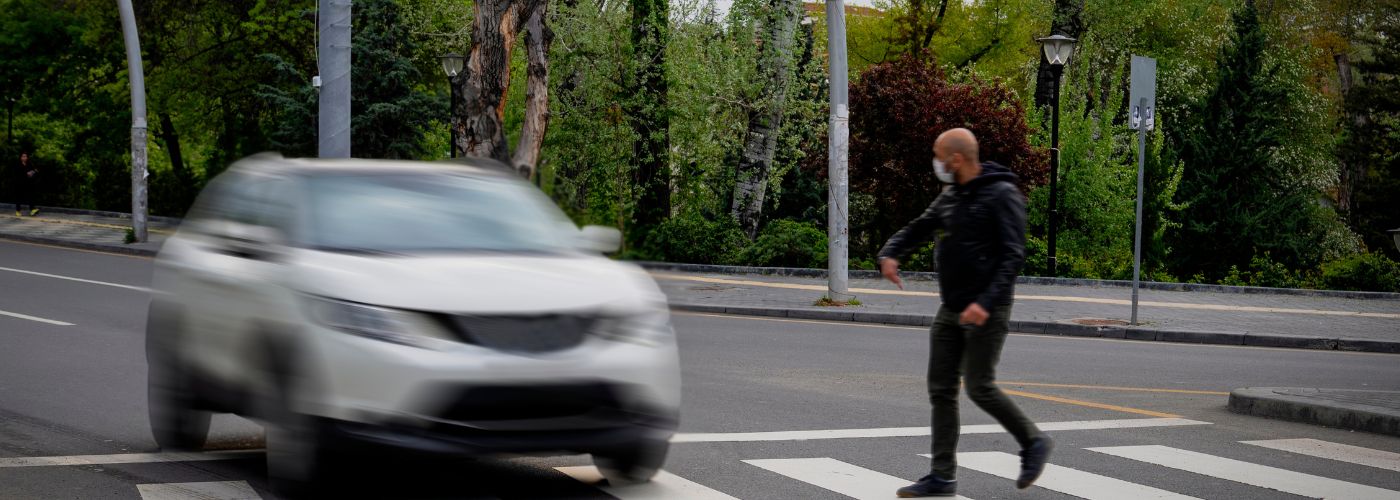
When a vehicle hits someone on foot, investigators usually examine whether the driver was speeding, distracted, or failed to yield. Proving negligence often depends on traffic camera footage, witness statements, and police reports.
Insurance companies may try to argue that the pedestrian stepped into traffic without warning. Because of this, strong evidence is critical. Medical records also play a major role since pedestrian injuries often involve broken bones, head trauma, or spinal damage.
The seriousness of these injuries can increase the value of the claim, but only if liability is clearly established. Showing that the driver failed to follow traffic laws is often the key factor in securing fair compensation.
Hit-and-Run Collisions and Uninsured Motorist Claims
When a driver leaves the scene, procedures are done differently. Instead of filing against the at-fault driver’s insurance, victims often must rely on their own uninsured motorist coverage.
This changes how the claim is handled because the injured person is now dealing directly with their own insurer. Even though it is their own policy, the company may still investigate the claim carefully and question the facts.
In hit-and-run cases, proving that another driver caused the crash can be challenging. Police reports, surveillance footage, and witness accounts become extremely important.
Without identifying the fleeing driver, the insurance company may request detailed proof that the accident truly involved another vehicle.
The lack of an identified defendant makes documentation and timely reporting even more important than in other claims. Victims must act quickly to protect their rights and make sure all coverage options are explored.
T-Bone Crashes and Determining Fault at Intersections
The accident type impacts injury claim for t-bone crashes because busy intersections are often disputed due to fault. T-bone crashes usually happen when one driver fails to yield or runs a red light.

However, both drivers may claim they had the green light. Determining what really happened may require reviewing traffic signals, dashcam footage, and eyewitness testimony.
These collisions can lead to serious side-impact injuries, especially for passengers sitting on the struck side of the vehicle. Insurance adjusters will look closely at the damage pattern to determine the angle and force of impact.
Because side-impact crashes often result in high medical costs, insurers may fight harder to reduce payouts or shift blame. Clear proof of which driver violated traffic laws is often the deciding factor in how much compensation is awarded.
Motorcycle Accidents and Handling Insurance Disputes
Motorcyclists are more exposed than drivers in passenger vehicles, so their injuries are often catastrophic, which is why the accident type impacts injury claim.
Broken bones, road rash, and traumatic brain injuries are common. Despite this, insurance companies sometimes argue that riders were speeding or weaving through traffic.
Proving fault in motorcycle accidents may require accident reconstruction experts and detailed scene analysis. Helmets, protective gear, and riding behavior may also be reviewed during the claims process.
Because insurers may attempt to blame the rider, strong evidence and clear documentation are essential to counter unfair assumptions.
Medical records, expert opinions, and consistent statements can help strengthen the case and support fair compensation for long-term recovery needs.
Rear-End Accidents and the Standard Claims Process
Rear-end crashes are handled in a more straightforward way compared to other collisions. These accidents are often caused by following too closely or distracted driving. In many cases, the driver who hits the vehicle from behind is presumed to be at fault.
This can make the claims process faster, especially when there is clear vehicle damage and a police report supporting the injured party’s account.
However, even simple rear-end accidents can become complicated if injuries are delayed or disputed. Whiplash, brain injuries, and soft tissue injuries may not show immediate symptoms, and insurers sometimes question their seriousness.
Even when the fault seems obvious, proper medical documentation and consistent treatment are crucial for receiving full compensation.
By understanding how this type of crash is typically evaluated, injured drivers can better prepare for the insurance process and avoid common pitfalls.
Am I Liable For Company Vehicle Damages After An Accident?
Accidents involving company vehicles can quickly raise questions about who is responsible for repair costs,
Aug
When Can Punitive Damages Be Awarded?
Punitive damages are not available in every personal injury case, but they may be awarded
Aug
Who’s At Fault For Parking Garage Accidents?
Parking garages may seem safer than busy roads, but accidents happen there every day. Tight
Jul
How To Seek Justice For Wrongful Death
Losing a loved one because of another person’s negligence can be devastating. Families are often
Jul